
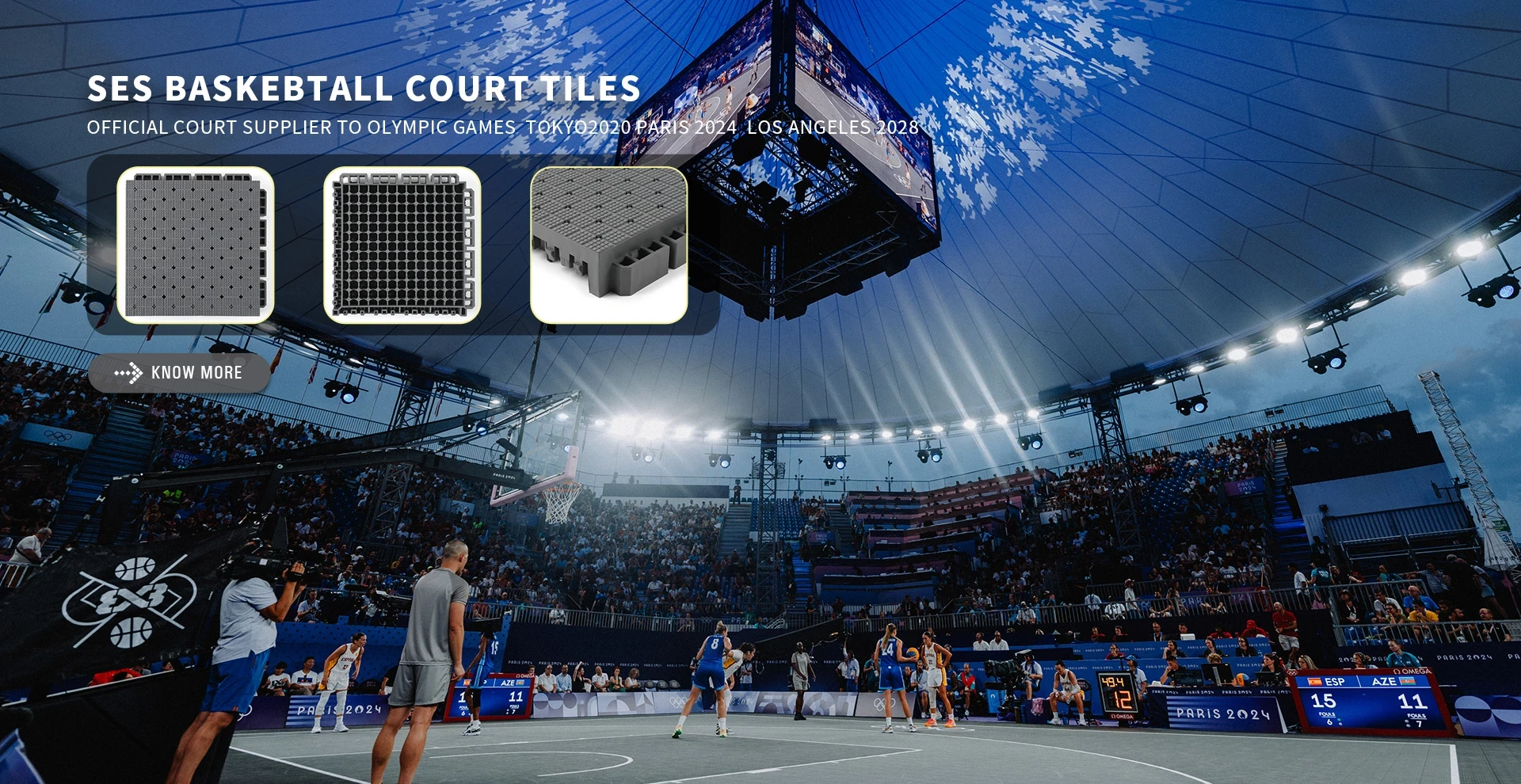


Recommended products
 safety mats for outdoor play areas
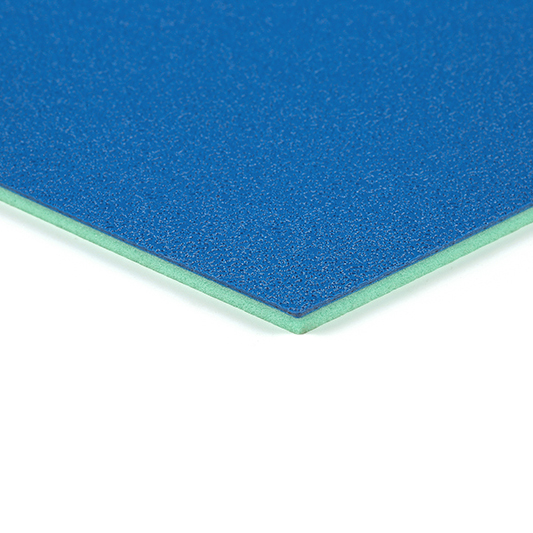 types of basketball floors
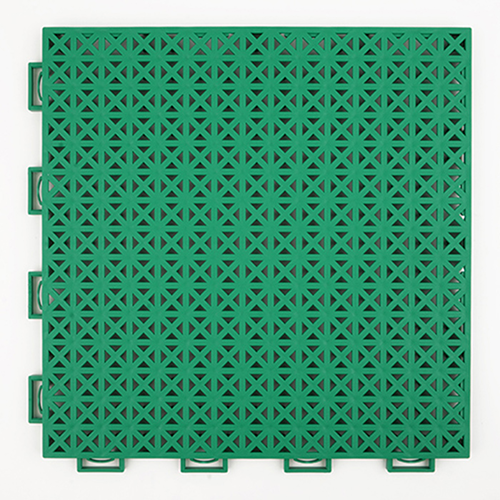 commercial vinyl flooring roll
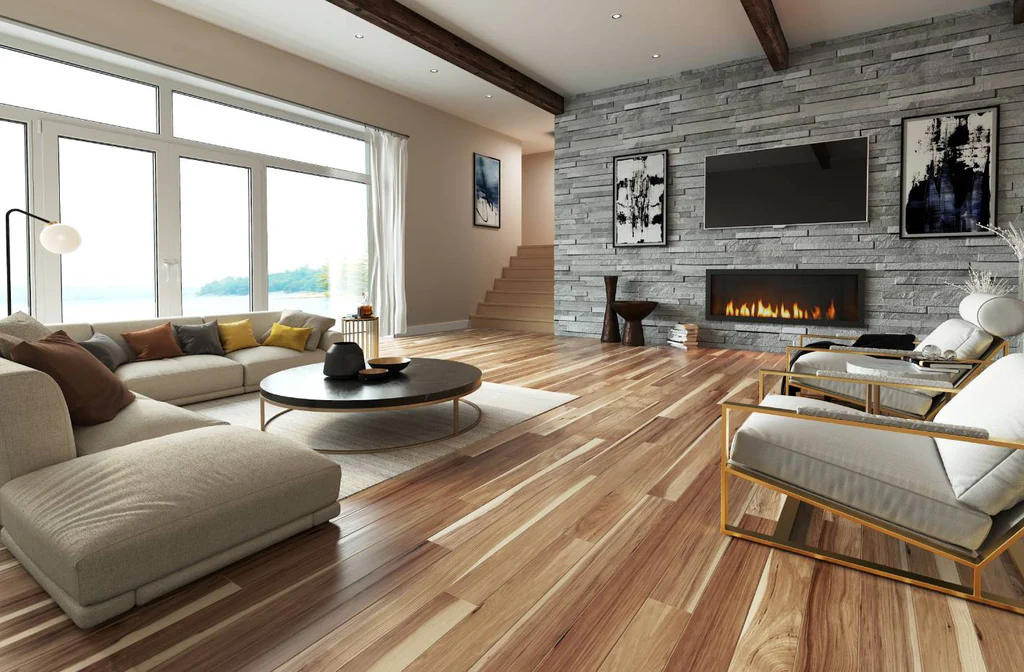 2mm vinyl flooring price
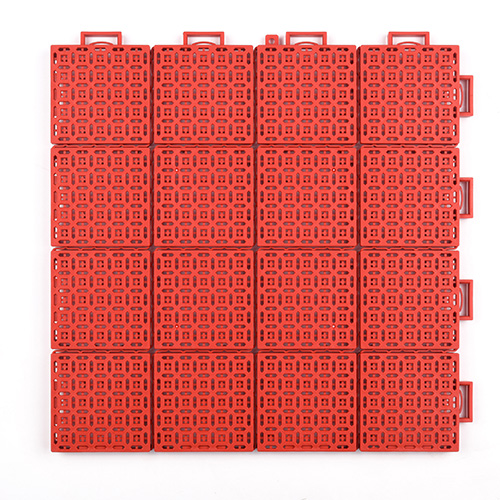 pickleball on basketball court
 converting a tennis court to pickleball




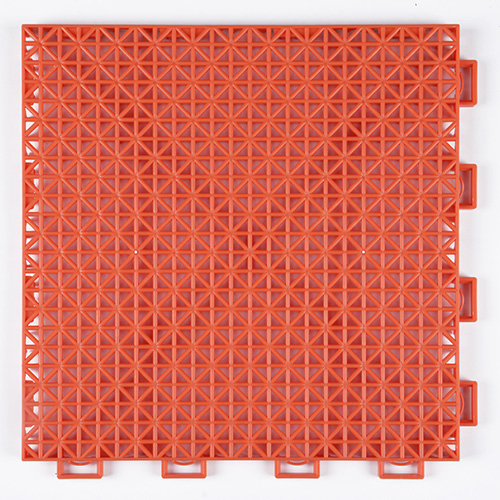


-
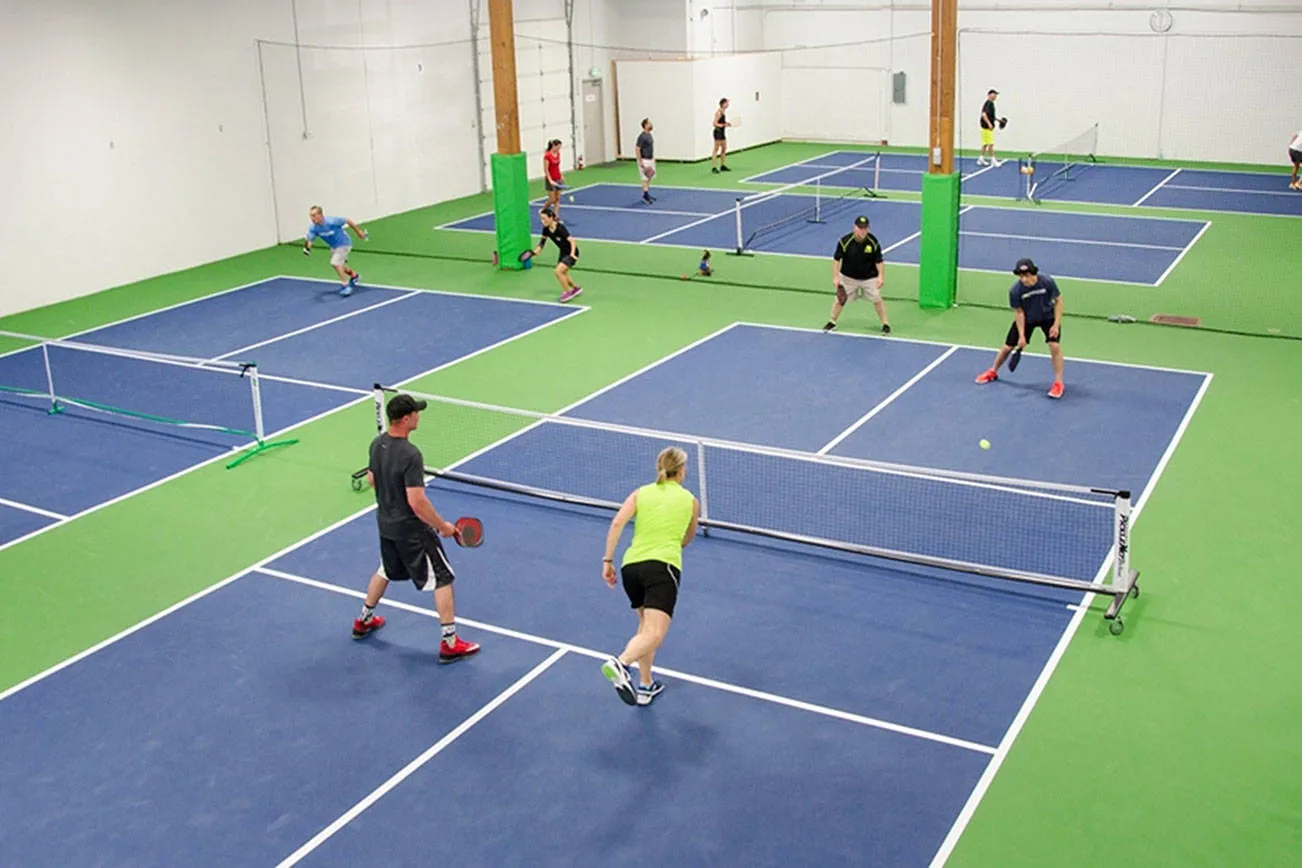
Alternative Flooring Options Using Wooden Boards and Sheets for Home Design
The Charm and Versatility of Floor Wooden Sheets Wooden flooring has long been a favored choice for both residential and commercial spaces. One of the most elegant and practical advancements in flooring technology is the floor wooden sheet. These sheets not only embody the natural beauty of wood but also offer unique advantages in terms of installation, maintenance, and versatility. Aesthetic Appe -
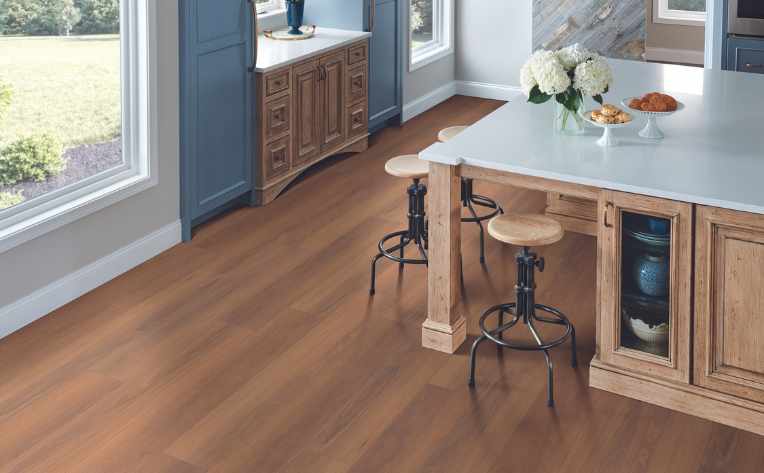
Affordable PVC Vinyl Flooring Prices - Durable & Stylish Options
Understanding PVC Vinyl Flooring Prices When considering flooring options for both residential and commercial spaces, PVC vinyl flooring has become increasingly popular due to its durability, versatility, and affordability. As homeowners and business owners search for elegant yet functional flooring solutions, understanding the pricing structure of PVC vinyl flooring becomes essential. What is PVC -
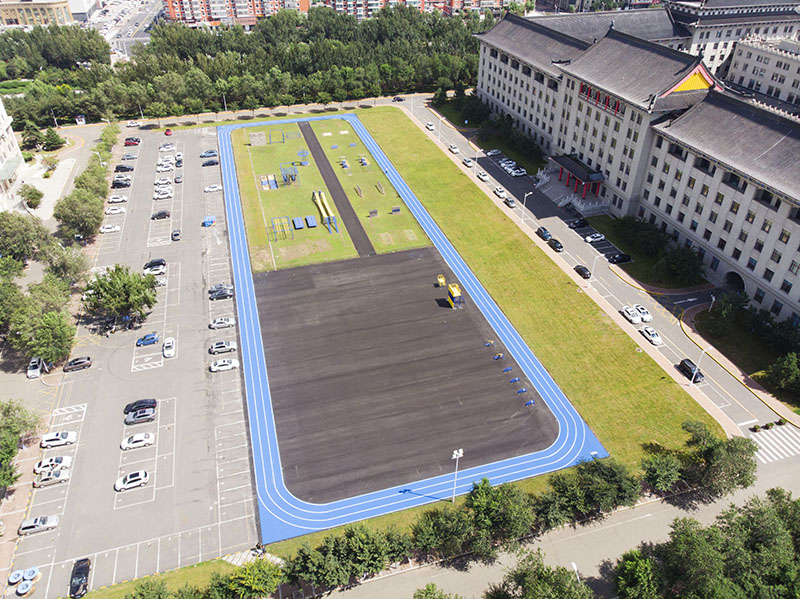
Creative Workout Plans for Your Fitness Journey and Optimal Results
Matts for Gym The Essential Equipment for Your Fitness Journey When it comes to building an effective workout routine, one aspect often overlooked is the importance of having the right equipment. Among all the essential gear, gym mats stand out as a fundamental component for every fitness enthusiast. Whether you are a seasoned athlete or a beginner starting your journey, investing in high-quality
Join Our Newsletter
We Strive To Provide Customers With Quality Products.Request Information,Sample & Quate,Contact Us !
about us

types of outdoor basketball court surfaces
Types of Outdoor Basketball Court Surfaces When it comes to playing basketball outdoors, the surface on which the game takes place significantly impacts both performance and safety. There are several types of surfaces available for outdoor basketball courts, each with its unique advantages and drawbacks. This article will explore the most common types of outdoor basketball court surfaces, helping players, coaches, and facility managers choose the best option for their needs. 1. Asphalt Asphalt is one of the most common surfaces for outdoor basketball courts. It is durable, cost-effective, and relatively easy to install. Asphalt surfaces can withstand various weather conditions, making them suitable for locations with diverse climates. Additionally, they offer good traction and are generally less slippery when wet compared to some other surfaces. One downside to asphalt is that it can become very hot under direct sunlight, potentially affecting players' comfort and performance. It also tends to crack over time, particularly in areas with extreme temperature fluctuations. Regular maintenance, such as sealing and resurfacing, is essential to prolong the lifespan of an asphalt court. 2. Concrete Concrete is another widely used material for outdoor basketball courts. It is incredibly durable and can last many years without significant wear and tear . Similar to asphalt, concrete is resistant to various weather conditions, making it suitable for almost any environment. While concrete provides a stable playing surface, it can be quite unforgiving on players' joints. The hardness of the surface can lead to increased stress on knees and ankles, especially for athletes engaged in regular gameplay. To mitigate this impact, some courts may implement rubber overlays or padding in specific areas, though this can increase maintenance costs. 3. Rubber Rubber surfaces are becoming increasingly popular for outdoor basketball courts due to their superior shock absorption properties. These surfaces can reduce injury risk by providing a softer landing during jumps and falls. Rubber can be laid as tiles or poured in place, allowing for a variety of design choices. types of outdoor basketball court surfaces While rubber offers excellent traction and comfort, it does require more maintenance compared to other surfaces. UV exposure can cause rubber surfaces to degrade over time, leading to discoloration and increased wear. Additionally, the installation cost for rubber surfaces tends to be higher than asphalt or concrete, making it a less budget-friendly option for some facilities. 4. Sport Court Tiles Sport court tiles are interlocking tiles made from high-density polyethylene (HDPE) that create a resilient playing surface. These tiles are designed specifically for sports and can provide excellent traction and shock absorption. They are also often used in multi-sport facilities, as they can accommodate different games, including tennis and volleyball. The primary advantage of sport court tiles is their ease of installation and maintenance. If a tile becomes damaged, it can be quickly replaced without having to redo the entire court. Additionally, the surface does not retain heat like asphalt or concrete, offering a more comfortable playing experience in hot weather. However, some players may find that the texture of the tiles affects their playing experience, and the cost can be a limiting factor for smaller facilities. 5. Synthetic Surfaces Synthetic surfaces are engineered materials designed to mimic the feel of either hardwood or outdoor surfaces while offering superior durability and maintenance benefits. These surfaces can be specially designed to resist UV rays, moisture, and wear and tear, making them perfect for outdoor settings. One of the benefits of synthetic surfaces is their versatility. They can be tailored to meet specific needs, including enhancing grip or modifying cushioning for player comfort. Despite these advantages, synthetic surfaces can be costly to install and may require specialized maintenance practices. Conclusion Choosing the right surface for an outdoor basketball court involves considering various factors, including budget, climate, and the level of play expected. Each surface—whether asphalt, concrete, rubber, sport court tiles, or synthetic—has its unique benefits and potential drawbacks. By understanding the characteristics of each surface type, facility managers and players can make informed decisions that enhance performance and player safety. Ultimately, the right choice will foster a positive environment for athletes and encourage the love of the game!